
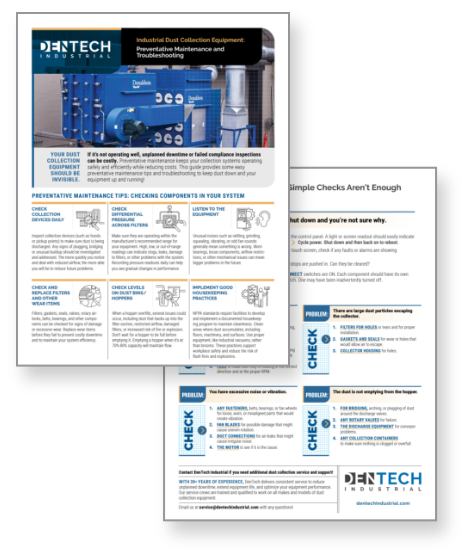
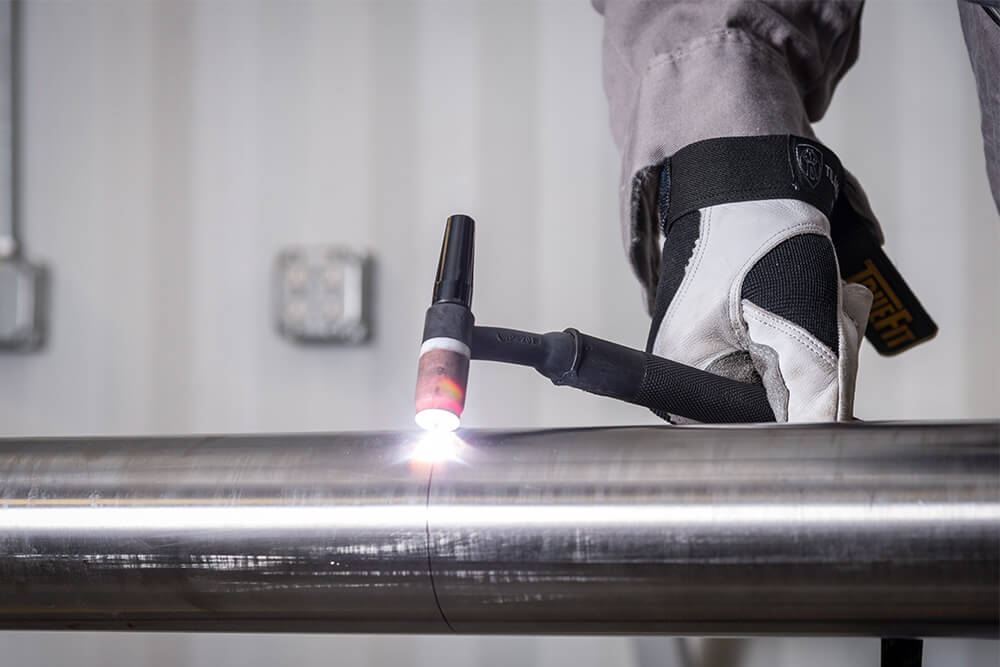
Process piping systems are the lifelines of industrial operations, moving gases, liquids, and chemicals safely and efficiently. That’s why process piping design and installation is crucial. The right team can design, fabricate, and install piping systems all under one roof, while meeting the necessary codes and sanitary standards.
However, without the right team and a well-planned approach, your system may be more vulnerable to safety hazards and costly downtime.
Common Applications of Process Piping
Industrial process piping systems are used across a variety of industries, and each one brings its own challenges and specifications:
- Food and beverage → sanitary welds, hygienic finishes, easy cleaning
- Pharmaceuticals → high-purity materials, CIP and SIP systems, regulatory compliance
- Chemicals → corrosion resistance, chemical compatibility
- Manufacturing → compressed air reliability, complex routing
- Oil and gas → pressure ratings, temperature extremes
Every process is unique and requires different material construction and code requirements. Our team has extensive knowledge across various industries, and we know how to meet all regulations for code-compliant process piping.
No matter the industry or what you’re transferring, there are some key considerations to keep in mind for effective process piping design and installation.
What Makes a Piping System Successful?
Successful industrial process piping systems go through four stages: design, fabrication, installation, and testing. Some plant managers use multiple vendors for a piping job, but DenTech offers design, fabrication, and installation services. This eliminates coordination between vendors and lets us easily adapt to any last-minute requests or changes.
Four things separate a “functional” piping system from a truly well-designed one:
- Attention to detail
- Proper slopes
- Practicality
- Accessibility
A system may technically move product from point A to point B, but if it lacks precise slope for drainage, creates hard-to-reach valves, or includes tight routing that complicates maintenance, it will create long-term operational challenges.
DenTech approaches process piping design and installation with the understanding that every decision affects cleanability, serviceability, and overall system performance. The easiest routing option isn’t always the right one. This level of detail is what prevents contamination risks and reduces downtime so your system performs reliably, well after we leave.
Process Piping Design Considerations
Pipes impact efficiency, safety, and performance of your plant. Their success all starts with design. Here are the six main elements of a well-designed, custom process piping solution.
1). Fluid Properties
At the start of a project, the first step is understanding exactly what the system will carry and under what conditions. We evaluate operating and maximum design pressures, temperature ranges (including startup and shutdown extremes), desired flow rate, and fluid characteristics such as viscosity, density, and corrosiveness.
If the product is consumable or food-grade, we take into consideration CIP (clean-in-place) and SIP (steam-in-place) design standards, which include, amongst many other things, proper slope for full drainage.
2). Material Selection
With these fluid properties in mind, we choose the best material to complete the job. Popular options include:
- Carbon Steel: Often used for high-pressure, high-temperature systems in oil and gas.
- Stainless Steel (304 and 316): A sanitary, corrosion-resistant choice for food and beverage, pharmaceuticals, and chemical processes.
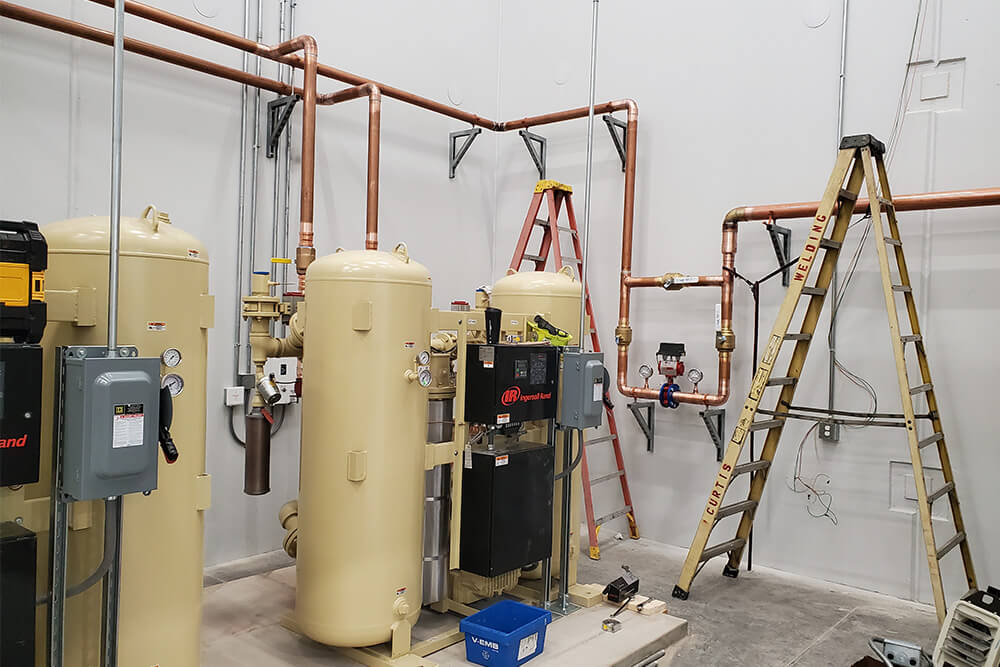
- Copper: Can be an economic choice due to its benefit of quicker installation, but can react to cleaning chemicals.
- PVC: Lightweight and corrosion-resistant, ideal for chemical and waste applications.
- CPVC: High-performance plastic for extremely hot liquids.
Process piping operates under changing conditions. Pressure, temperature, and the amount of liquid are all subject to change, so the piping needs to be prepared for any possible scenario—including start ups, shut downs, maintenance, and all extremes.
In process piping design and installation, designing only for “average” conditions isn’t good enough. Systems must account for pressure spikes, thermal expansion, and other events that can place additional stress on piping and weld joints.
3). Instrumentation
Industrial process piping systems include far more than the pipes themselves. Vents, valves, drains, strainers, fittings, and insulation are all critical to safe and efficient operation.
At DenTech, we determine the type, size, and placement of each component based on a thorough understanding of your fluid properties, flow requirements, and operational constraints. Pressure relief valves, emergency shut-offs, and isolation points are strategically positioned to protect your plant and personnel. This instrumentation is always installed with maintenance access in mind.
4). Layout
Next, we look at the layout of the system. When determining layout, we focus on eliminating dead legs and ensuring each piece gets fully cleaned. Dead legs are spots in the piping system that don’t get any flow. This can lead to standing water and bacteria growth.
Once the layout is finalized, we display the details with a piping and instrumentation diagram (P&ID). This schematic drawing lets us see every element of the system and how they connect.
From there, we can produce a 3D model. It includes the pipes and surrounding environment so our team can spot any potential points of interference. This limits errors and complications during installation, ultimately saving you money. It also allows you to see and understand the piping system during the approval process.
With DenTech, process piping design and installation starts with getting it right from the beginning. By investing time upfront in thorough designs and detailed models, we’re able to streamline installation, minimize downtime, and deliver a high-quality system that will last for years.
5). Structural Support
Having the proper structural support is just as important as the pipes themselves. Too much stress on your pipes and joints can cause the system to fail.
When we design industrial process piping systems, we account for pipe hangers and build with joint flexibility to avoid failure and shutdown. We also fabricate pipe bridges, access platforms, or whatever other support the system needs.
6). Compliance
Code compliance with ASME, ANSI, and ISO standards are essential in process piping. Our team draws from our knowledge and expertise over 40+ years in manufacturing to ensure each piece we engineer meets all codes.
While the specifics depend on your process, ASME B31 is essential for code-compliant process piping. Here’s a list of some of the relevant codes developed by the American Society of Mechanical Engineers:
- ASME B31.3: Process Piping
- ASME B31.1: Power Piping
- ASME B31.4: Pipeline Transportation Systems for Liquids and Slurries
- ASME B31.8: Gas Transmission and Distribution Piping Systems
- ASME B31.5: Refrigeration Piping and Heat Transfer Components
- ASME B31.9: Building Services Piping
Sanitary processes require additional compliance with 3-A sanitary standards, ASME BPE, and more.
Piping Fabrication
There are two types of fabrication: field work and prefabrication. We prefer to do as much prefabrication in the shop as possible.
Benefits of Piping Prefabrication
- Reduces field labor hours
- Lowers safety risk
- Minimizes plant disruption
- Improves weld quality consistency
- Shortens shutdown windows
- Allows us to make any customer changes and last-minute requests
- Minimizes onsite hot work (grinding, welding)
Our process piping fabrication services are made possible by our 21,600-square foot shop. Our welders have certifications in SMAW, GTAW, and FCAW. The more welds we can do in a controlled environment, the better the quality to ensure each piece is top notch.
Steve Rapp, DenTech president and CEO, says, “Anyone can weld two pieces of pipe together, but what sets us apart is focusing on the details. We don’t rush through the job. Every decision we make is what’s best for your system.”
Process Piping Installation
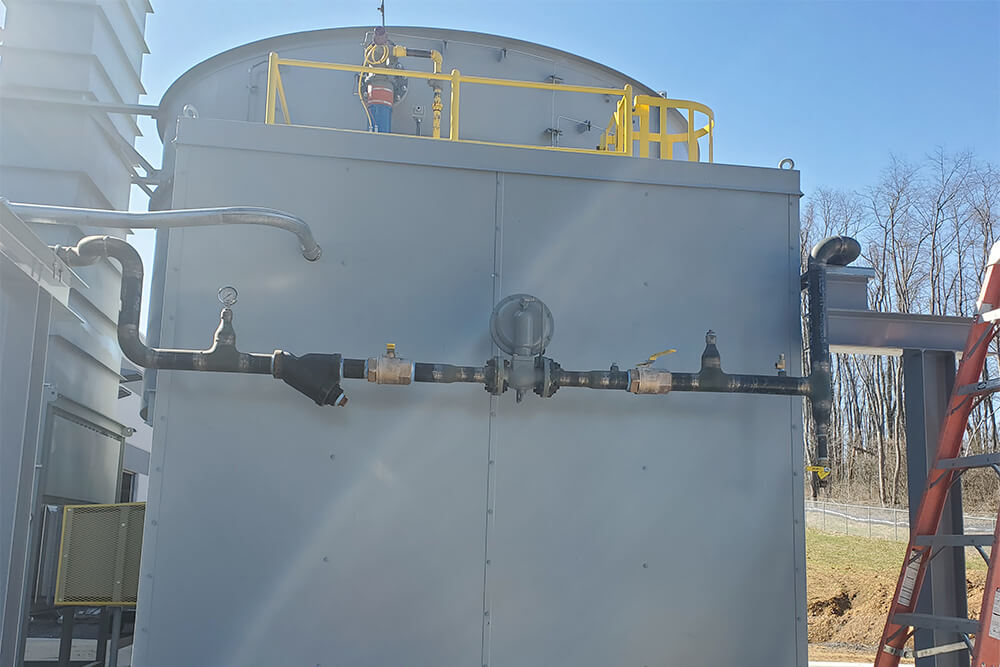
Installation is where design and planning meet real-world operations, and it’s often the phase where mistakes are most costly. We don’t just install piping wherever it fits. We install it where it makes the most sense for your space and process.
We plan installations to minimize plant downtime, starting with main headers and critical lines, then moving to secondary piping. Each connection, support, and valve placement is coordinated to ensure proper alignment, slope for drainage, and easy accessibility. With most of the fabrication happening in our shop, we reduce on-site welding and adjustments.
With DenTech, process piping installation isn’t just about connecting pipes. We promise to deliver a fully functional, safe, and maintainable system that supports your operation for decades.
Process Piping Inspection and Testing
After fabrication and installation, every piping system undergoes rigorous inspection and testing to ensure it meets the engineered design and performs reliably under all operating conditions. DenTech provides complete quality control documentation, giving you confidence that the system is safe, code-compliant, and ready for operation.
Every project requires something different, but we often conduct:
- Pressure Testing: Verifies the piping system can handle its design pressure without leaks or deformation.
- Hydro Testing: Uses water or another fluid to check the integrity of welds, joints, and connections.
- Dye Testing: Introduces a visible or fluorescent dye to detect leaks or structural weaknesses.
- Prefabricated Visual Inspection: Visual quality control inspection conducted by DenTech operations management prior to shipment.
DenTech always conducts a comprehensive end-result test before turning over the system. This final check confirms the entire piping network functions as designed, leaving you with a safe and high-performing process piping system.
DenTech’s Approach to Process Piping Design & Installation
We bring over 40 years of expertise to process piping design and installation. We know the industry regulations and code requirements that make your system run as efficiently and safely as possible. This helps you reduce downtime, improve safety, and simplify coordination.
Beyond new systems, DenTech can support system modifications, retrofits, and repairs.
- Leaking or corroded process pipes
- Outdated piping systems not meeting code
- Improperly installed process piping causing downtime
- Compliance issues with ASME or ANSI standards
- Modifying or retrofitting existing systems