Many pieces need to come together for an automated system to function well—hardware, software, panel layout, wiring, and more. That’s why thoughtful automated control system design is key for the efficiency, safety, and scalability of your process. Experienced industrial solution providers can take you from design through commissioning and ensure every piece meets your specific needs. 

What Are Industrial Automation Controls?

Industrial automation controls are the brains behind any automated process. Automation and robotics are used for repetitive or hazardous tasks, helping you improve efficiency, safety, and consistency in your output.

Here are the basic components to know: 

  • Programmable Logic Controllers (PLCs): the “brains” of the control system, handling decision-making and controlling the machinery.  
  • Sensors: what gather information in your system. 
  • Actuators: perform actions according to instructions from the controller. 
  • Human Machine Interface (HMI): how humans interact with the system, typically through a touch screen that displays data. 
  • Power supply: source of energy. 
  • Software: programming that tells the controller what to do. 
  • Variable Frequency Drives (VFDs): control the motor speed and torque through changing voltage and electricity, allowing for greater flexibility, precise control, and energy efficiency. 

Automation is useful across all industries, and it brings many benefits to your plant. 

  • Flexibility: the ability to run different products across one machine. 
  • Reliability: consistent output and quality, limiting errors as much as possible.
  • Cost savings: reduced manpower, energy consumption, and floor space used. 
  • Centralized controls: controls all in one convenient place.
  • Safety: limited human interaction in hazardous processes.

See Custom Controls In Action

We upgraded a packaging company’s production lines by installing centralized control panels that integrate all junction boxes into one safe, easy-to-use location. Equipped with safety controllers and emergency stops, the panels let operators manage machines from outside the fenced area, improving efficiency and safety during maintenance.
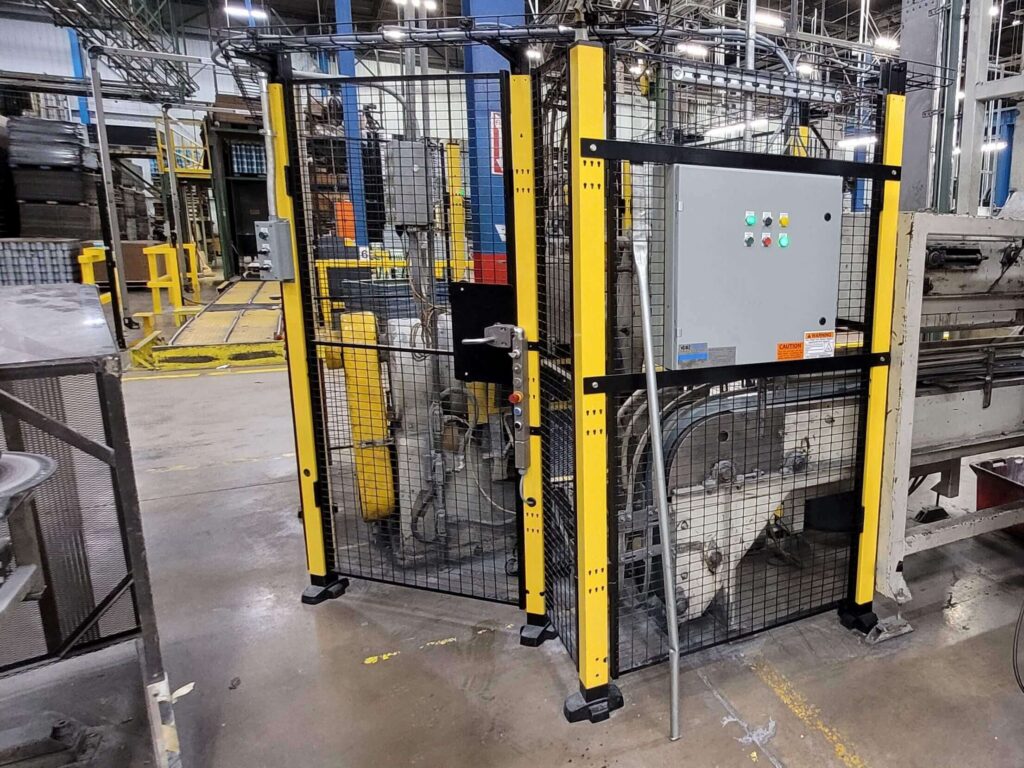
Finished project for automated control system design with safety fencing

What Are the Key Considerations for Automated Control System Design?

Our team has 40 years of experience designing automated control systems. Here are the six main elements that guide our designs.

1). Safety and Compliance

Every project requires different safety features. We typically categorize our work into two groups: process control or packaging and robotics.

For process control systems, like dust collectors, controls focus on explosion protection, fire mitigation, proper ventilation, and interlocks that prevent unsafe operation.

For packaging and robotics, human safety is the priority. Key elements include safety guarding, emergency stops, light curtains, two-hand controls, safety mats, lockout/tagout integration, and flexible systems that allow part of the line to run while maintenance is performed elsewhere.

No matter the project, our engineers approach automated control system design with a safety-first mindset. We ensure all systems comply with local and national codes (NFPA, NEMA, OSHA, etc.). 

2). Hardware Selection

Choosing the right sensors, actuators, and controllers is a critical part of automated control system design. Our philosophy is to use hardware you can trust—proven, reliable components that perform consistently in the industry.

Equally important is compatibility. For retrofits and upgrades, all new hardware must work seamlessly with your existing system and process. We carefully select components that integrate smoothly, avoiding costly mismatches or communication issues.

Hardware selection is often customer-driven. We honor plant standards, brand preferences, and budget considerations. Our goal is always to balance quality, reliability, and cost while ensuring your system works flawlessly now and in the future.

3). Scalability

Your operations and product lines will likely evolve over time, so your control system should be ready to grow with you. Systems designed without scalability in mind can quickly become outdated and costly to replace.

PLCs are key to scalable industrial automation controls, allowing you to adjust programs and make minor hardware changes to support new processes or products. Beyond that, scalability can be built in through:

  • Modular hardware design: using panels, I/O modules, and components that can be added or swapped without reworking the entire system.
  • Spare I/O and capacity: leaving extra inputs, outputs, and memory in the PLC and network for future expansions.
  • Flexible network architecture: designing communication networks that can integrate additional devices easily.
  • Expandable HMI and software: programming interfaces that can be updated to include new processes, alarms, or dashboards without major rewrites.

These design choices ensure your system can grow and adapt over time, reducing downtime and avoiding full replacements.
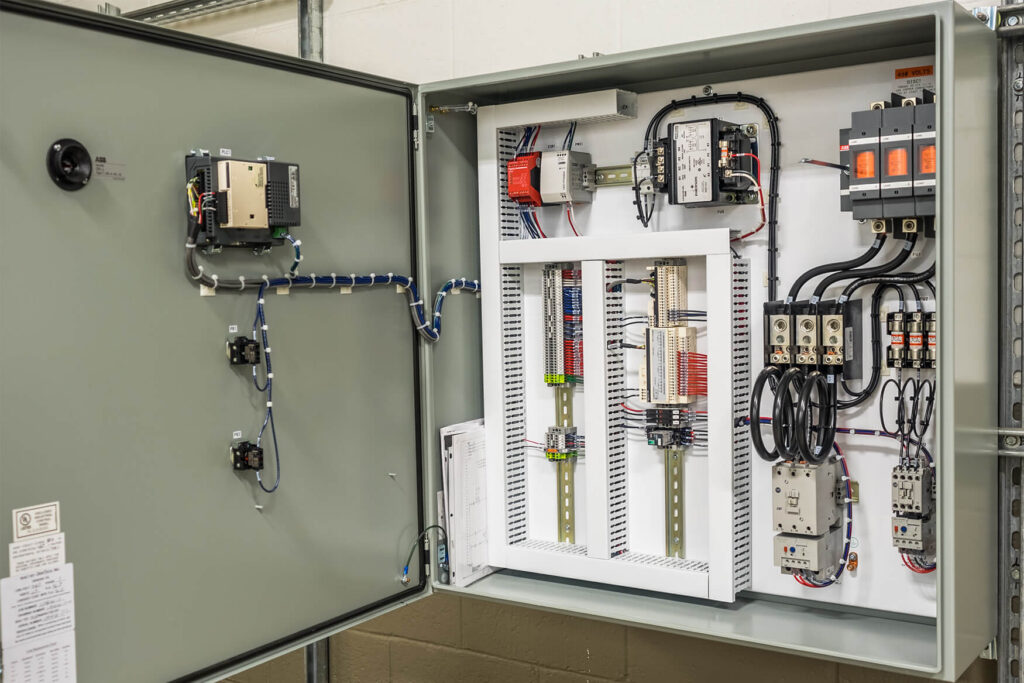
Automated control panel open, showing the wiring inside

4). Wiring and Panel Layout

Improper wiring isn’t just an organizational issue. It’s a safety issue. Following panel and wiring standards makes your controls easy to access, convenient to maintain, and reduces risk. 

Panel layout impacts your signal, so when building control panels, prioritize proper routing to cut back EMI/electrical noise. Color coding wires limits misidentification and keeps your maintenance technicians safe. Follow other best practices on labelling, voltage separation, shielding, and overcrowding. 

Code compliance and documentation are also essential. UL 508A provides a baseline for compliance, and NEC Article 409 and NFPA 79, along with other codes, help guide successful installations. 

Scalability matters here, too. Design your panel with extra space so you don’t have to build a completely new one if you add a new element. 

5). Programming and Logic

This step of automated control system design can be done on a variety of programming platforms. No matter which you use, all programs should be lean, flexible, and configurable.

At DenTech, we follow best practices in our PLC and HMI programming solutions: 

  • Modular programming: breaking processes into reusable blocks for easier updates and scalability.
  • Clear commenting and documentation: so future engineers can quickly understand and modify the system.
  • Standardized structure: similar navigation, style, and hardware controls across systems for operator familiarity and ease of use.
  • Robust error handling and interlocks: to prevent unsafe operation and minimize downtime.
  • Thorough testing and simulation: to ensure logic behaves as expected before deployment.

Our custom dust collection HMI software, AyrDyne, enhances these practices by providing detailed system monitoring, maintenance tracking, and insights into the health of your equipment.

6). System Integration and Testing

Ensuring a smooth integration happens 90% on the frontend of a project. It starts with having the right conversations, proper training, research, and site visits. It’s also helpful to have team members who are cross-trained across multiple disciplines.

Before integration, we need to test the industrial automation controls. Factory Acceptance Tests (FATs) are conducted on the shop floor, where we run the line and follow detailed checklists to verify each component functions correctly. Site Acceptance Tests (SATs) follow at your plant, allowing operators to learn the system while we provide on-site support.

By combining careful planning, thorough documentation, staged testing, and open communication, our team ensures integration and handoff are seamless.

Well-Designed Controls in the Real World

We delivered custom electrical control panels that simplified solar-to-grid integration while improving safety and compliance. By designing integrated protective relay systems that actively monitor power conditions and isolate solar generation during disturbances, we helped the client reduce risk, meet utility requirements, and maintain reliable, uninterrupted operation.
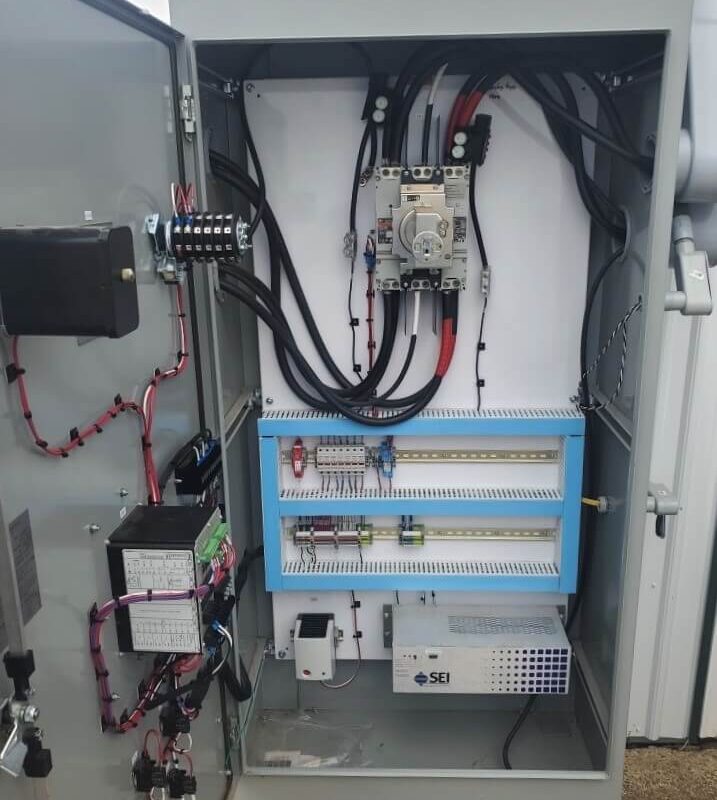
Open automated control panel showing the wiring inside

Designing for Different Types of Control Systems

With these essentials of automated control system design covered, here is how the process shifts for different types of projects.

New ControlsRetrofitsUpgrades 
Design ConsiderationsHighest flexibility with the fewest constraints. Design is driven by customer preferences, internal standards (like preferred brands), and project goals.Most constraints and least flexibility. Compatibility is critical. Components must work with existing systems, often requiring adapters and careful integration.Falls in between. Some flexibility, but still working within an existing system. Decisions depend on how extensive the upgrade will be.
Level of Flexibility High Low Medium 
Constraints Minimal—mostly defined by customer requirements. High—must work within existing system limitations. Moderate—some existing constraints, but more room than retrofits. 
Benefits Fully modern system with the latest technology, features, and performance capabilities. Built exactly to spec.Cost-effective way to enhance an existing system. Adds new functionality without full replacement.Improved performance and functionality without the cost of a full new system. Flexible scope depending on budget and goals.
Cost Highest costLowest costMid-range cost
Design ProcessHighly collaborative and customer-driven. Requires detailed upfront planning to define system requirements and functionality.Less upfront discussion, more hands-on analysis of the existing machine. Focus is on modifying current functionality.Mix of both approaches. The existing system defines some parameters, but there’s still room for strategic improvements and planning.

DenTech’s Approach to Automated Control System Design

DenTech delivers custom control panels, system design, installation, and PLC and HMI programming solutions tailored to your needs.

Our UL508A and UL698A certified panel shop handles retrofits, upgrades, process controls, starter panels, and custom HMI programming. Unlike other providers, we focus on realistic solutions. We never overpromise and underdeliver. 

A key benefit of working with us is our full-project commitment. We stay involved after installation, providing dedicated support for service, parts, and troubleshooting. We partner with you long-term, ensuring your system runs smoothly now and in the future. In fact, we have a dedicated team member responsible for fielding calls about service and parts, so nothing slips through the cracks. 

We also prioritize thorough documentation. Every system comes with manuals, diagrams, photos, spare parts lists, and reference materials. Even years down the line, you can call us with questions or request a site visit for our expertise.

We help solve challenges like:

  • Outdated analog systems limiting production
  • Inconsistent data monitoring and control response
  • Downtime caused by control system failures
  • Integration issues between old and new controls
Talk With An Expert Today

Start your next automation project with confidence.

An effective dust collection system requires good components. Hoods, ductwork, filters, and everything in between need to work together to efficiently capture fumes and dust to keep your facility safe. Today we’re talking all about local exhaust hood systems—design considerations, custom fabrication, and why off-the-shelf options don’t always cut it.

The Basics of Dust Capture Hoods

Hoods are a crucial part of a dust collection system. They capture dust and fumes at their source, send the contaminated air through ductwork, and then deposit that into your collector. A well-designed hood captures this dust before it can spread. This reduces the potential for combustible dust explosions and improves workplace safety. 

Local exhaust hood systems are used in any process where dust, fumes, chemicals, and vapors are created. Open processes like welding and grinding and many processes in the food industry require hoods. Whether you’re dumping flour in a mixer or making paint, a hood is needed to prevent unhealthy elements from infiltrating your plant.  

Our VP of Sales, Mike Zook, has been engineering local exhaust hood systems for over 25 years. He says, “There are two things you need to be effective: containment and capture.” 

That’s where proper design comes in. DenTech can look at your entire system and surroundings, not just the hood, to make sure these two pieces are done effectively. 

Why Hood Design Matters

Safety

A poorly-designed hood can significantly impact safety in industrial settings. When dust accumulates outside the capture zone, it can affect both worker health and overall operational safety. 

Improper hood design can cause worker respiratory issues, along with skin and eye irritation. It can also create fire hazards. When dust gathers on the floor or is dispersed into the air in large quantities, this increases the potential for ignition sources in and around the collection system. Dust on working surfaces can cause employees to slip and fall. And lastly, dispersed dust can make its way into equipment, causing additional maintenance and potential breakdowns. 

However, a custom hood can include built-in spark mitigation and will pull dust out of your operators’ breathing zone—making them happier, healthier, and less exposed.

Compliance

An effective hood design is required to meet National Fire Protection Association (NFPA) standards for combustible dust and particulate solids. The new NFPA 660 standard outlines rules on explosion protection, air filtration, maintenance, hazard assessments, and training. If your facility doesn’t comply, you can face major OSHA fines and a potential shutdown. 

Cost

A well-designed local exhaust hood system reduces operational costs. By optimizing capture efficiency, your system requires less air volume to effectively collect dust and fumes. This often allows you to use smaller ducts, fans, and collectors, driving down capital and cost of ownership of the system. This results in a cleaner manufacturing environment, which leads to healthier employees and cleaner, higher quality products.

Are off-the-shelf hoods not working for you? Partner with us to design, build, and install a more efficient solution.

Design Considerations for Effective Local Exhaust Hood Systems

1). Style

Ventilation hoods are classified into two main categories: enclosing and exterior. Enclosing hoods either completely or partially contain the equipment/process that generates dust or fumes. In contrast, exterior hoods are positioned next to the emission source. 

Enclosing Hoods

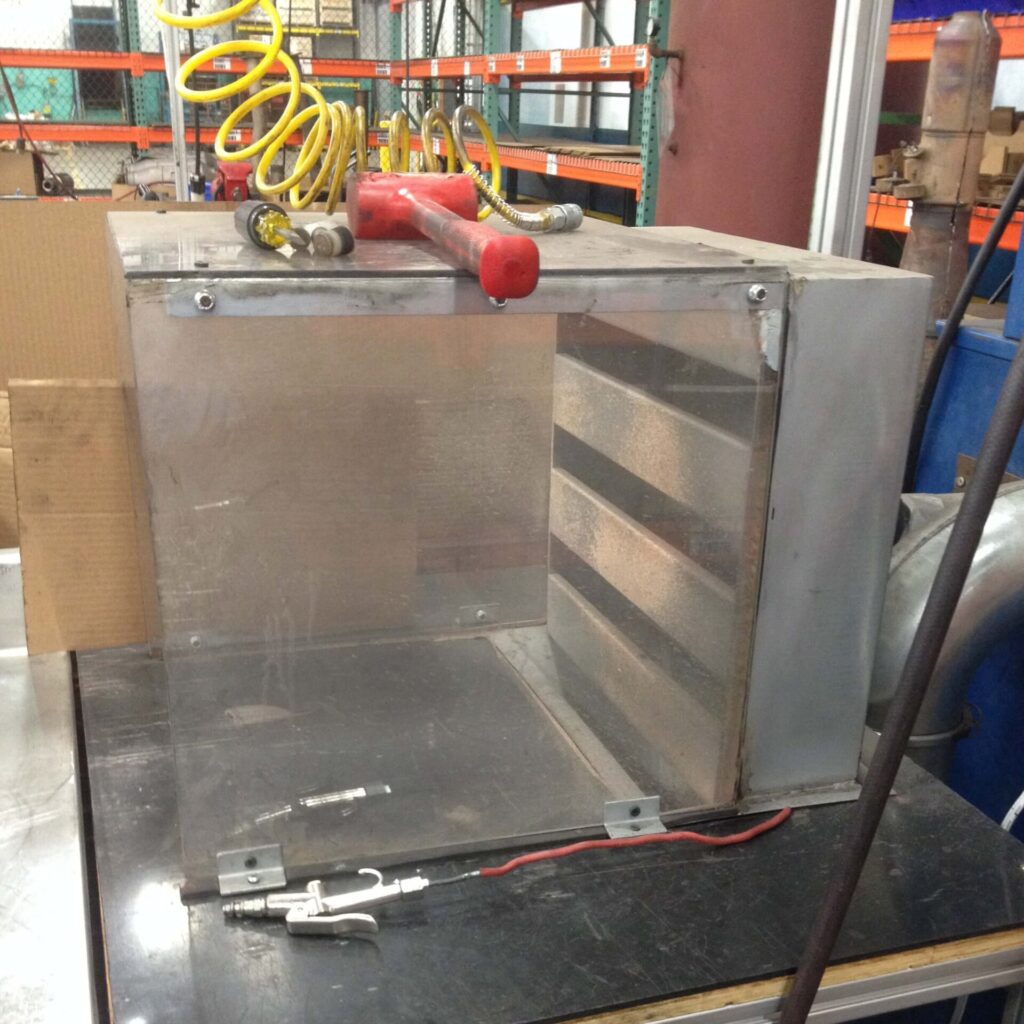
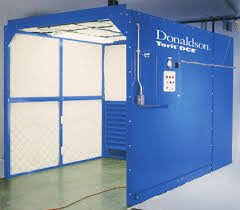
Blue Donaldson booth hood

Booth Hoods: enclosing hood that contains dust from your system, using either solid walls or plastic curtains around your equipment.

Exterior Hoods

Custom canopy hood in a plant

Canopy Hoods: large, broad capture hoods that are ideal for hot processes like welding to collect rising heat and fumes. 

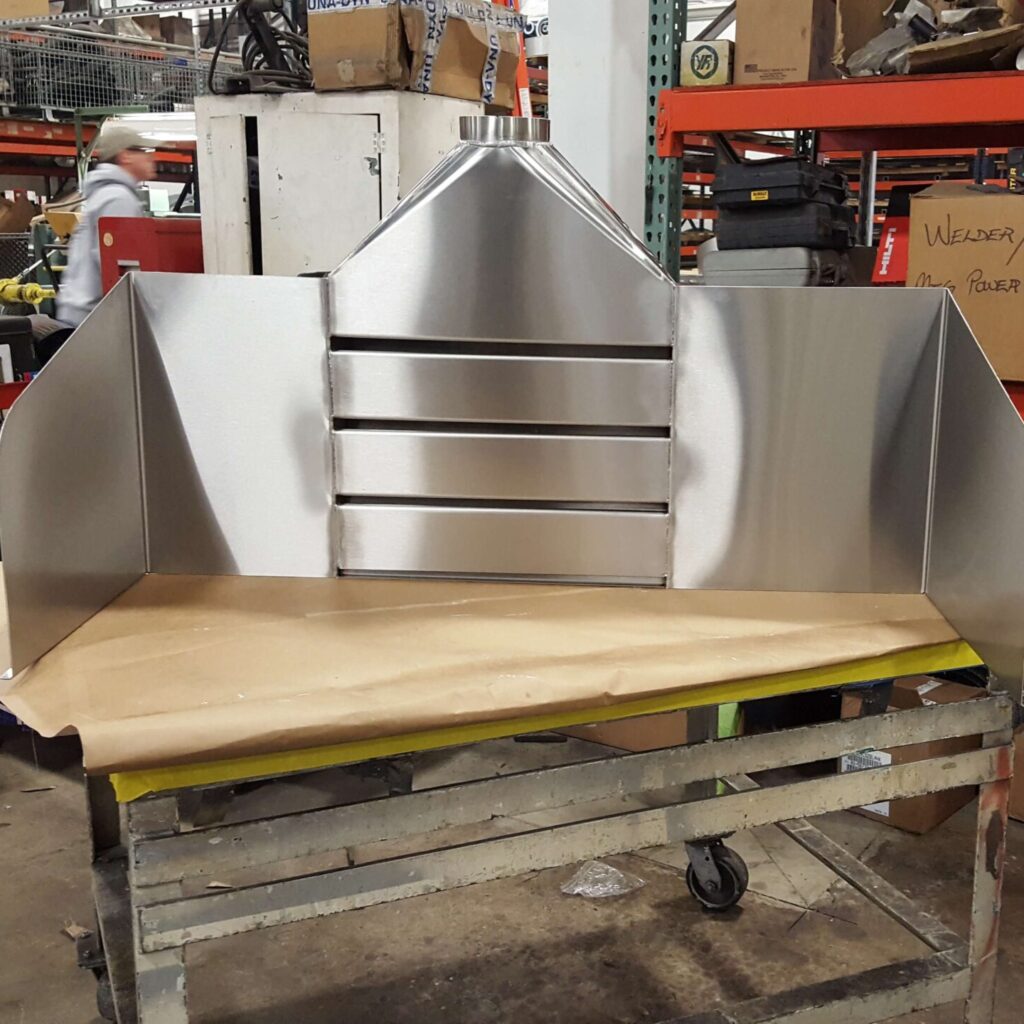
Backdraft hood on a work table

Backdraft Hoods: good for open-top mixers and material loading, these hoods create a horizontal airflow and pull dust across the top of a work surface.

Slotted hood on a work table

Slotted Hoods: have a more focused capture and airflow, making them an energy-efficient option. 

Custom barrel hood

Barrel Hoods: used during drum or barrel filling and emptying, these seamlessly connect to your ductwork.

In addition to these, our team can fabricate custom hoods for any process in the exact size and shape you need. Just give us a call

2). Positioning

The style is just the start. Where you place the hood is also crucial for effective dust capture. You don’t want fumes pulled across your operators’ breathing zone, so always place your hood as close to the source as possible without getting in the way of your workers or equipment.

The closer you get to the dust generation point, the less air you need to support the system (and the more efficiently it runs). But we know that’s not always practical. Our team is an expert at finding a happy medium where it’s close enough to effectively collect dust, but doesn’t get in the way of your employees or good product. For example, we design and place hoods so they only pull respirable dust in, not actual product. 

We also take into account the natural air patterns of the particles and mechanical influences that may impact the dust being generated. For a hot process, we place the hood above to capture rising fumes. Other processes, like grinding, may need hoods to the side to capture dust and sparks as they fly off. 

3). Airflow

Hood airflow optimization is another major piece in effectively capturing dust and preventing it from settling in your hood or ductwork. There is a particular capture velocity and plenum speed needed to keep the dust moving into the collector. 

The goal is to use as little airflow as possible, but finding that perfect balance requires expertise. If the capture velocity is too low, it allows dust to escape or build up in your ducting. But if your capture velocity is too strong, you’ll experience heavier dust loading, which wears out your filters faster

Each system and dust type is different. Our team calculates the required airflow based on the size and shape of your hood, how close it’s placed to the source, the size of the work area, and the type of dust. Lead dust, for example, requires a higher capture velocity than weld fumes.

With 40 years of experience under our belts, our team members are experts in hood airflow optimization and design, so we can engineer a solution that works even better than you expected. 

4). Material

Depending on the application, we select from a variety of materials for your dust capture hood. Popular options include steel, aluminum, and PVC. Many food and pharma plants use stainless steel, while other fumes and vapors can be handled with PVC. Our engineers know the intricacies of your industry and process to pick the best material for your application. 

5). Flash Fire Protection

To reduce the risk of a flash fire, we make sure dust isn’t just sitting in your ductwork. We do this by engineering custom hoods, built around your specific process. For example, if there are sparks in the airstream, we’ll design a method to keep them out of your hood and ductwork so they don’t create a fire hazard downstream. We may add isolation valves or explosion vents in the ducting and collector for even greater protection. 

Spark and explosion mitigation are essential in facilities dealing with combustible dust. No matter what we’re fabricating, safety is a main priority on every local exhaust hood system we design. 

6). Integration With Current Processes

In our experience, the hardest part of integrating with your process is getting the hood to fit. We don’t want it to interfere with your operators. 

That’s why working with a team like DenTech is so important. We look at more than the hood itself, but also the mechanical influences around it when we design your system. Is there room? Is there enough air for the hood to work correctly? And is it easy for your employees to integrate into their process? Because if the operators aren’t using it, it defeats the purpose.

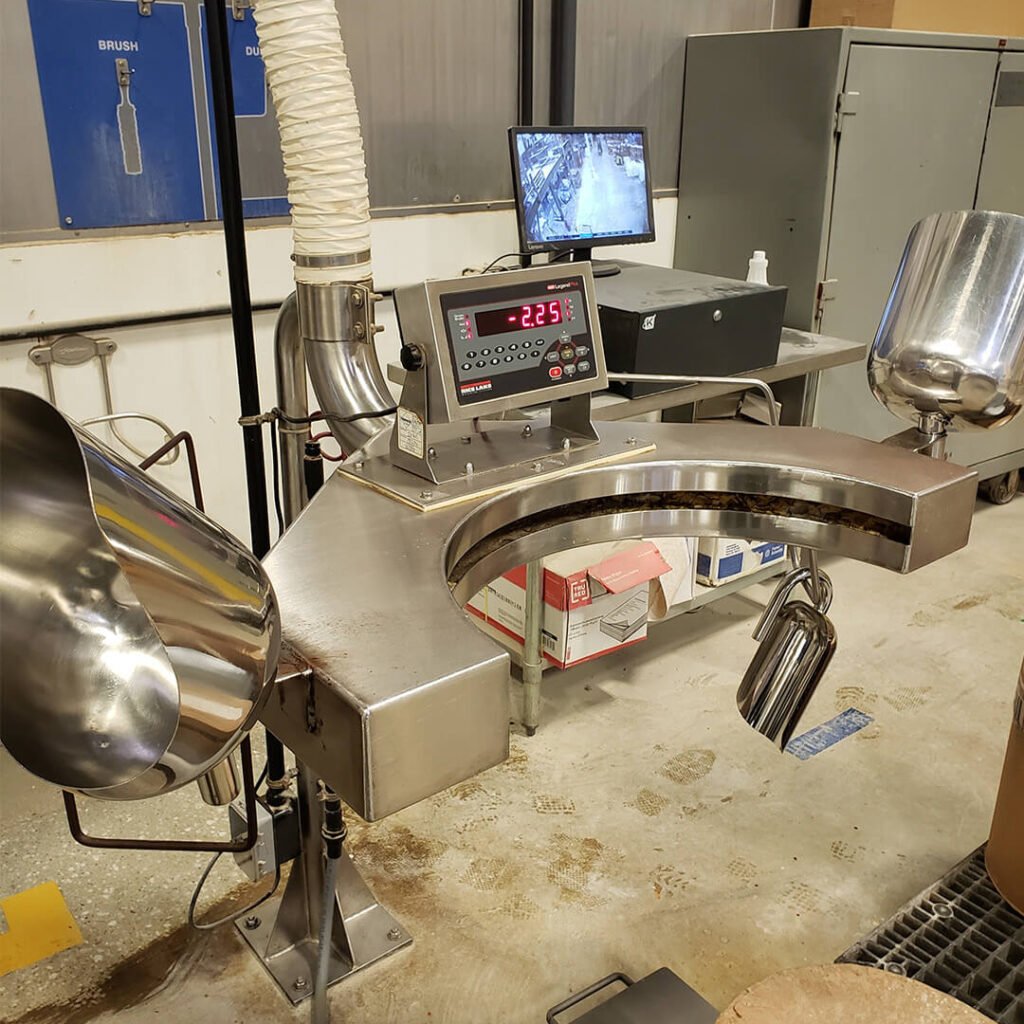
Custom capture hood on a work table

Benefits of Custom Hood Fabrication

Built For Your Exact Application

No two dust sources behave the same, and with custom capture hood fabrication, we can build exactly what you need. We’ll design the system specific to your machines, workstations, production flow, and the type of hazard we are collecting. And since it’s designed specifically for you, you know it’s going to work.

Maybe you have equipment, like a fan, that you can’t move. Don’t worry—we can work around that. Maybe you need better shielding around your hood to create a confined area for the dust. That’s not a problem.

We can find the right solution for every process and make sure it works as efficiently as possible.

Project Highlight: Cannistraro

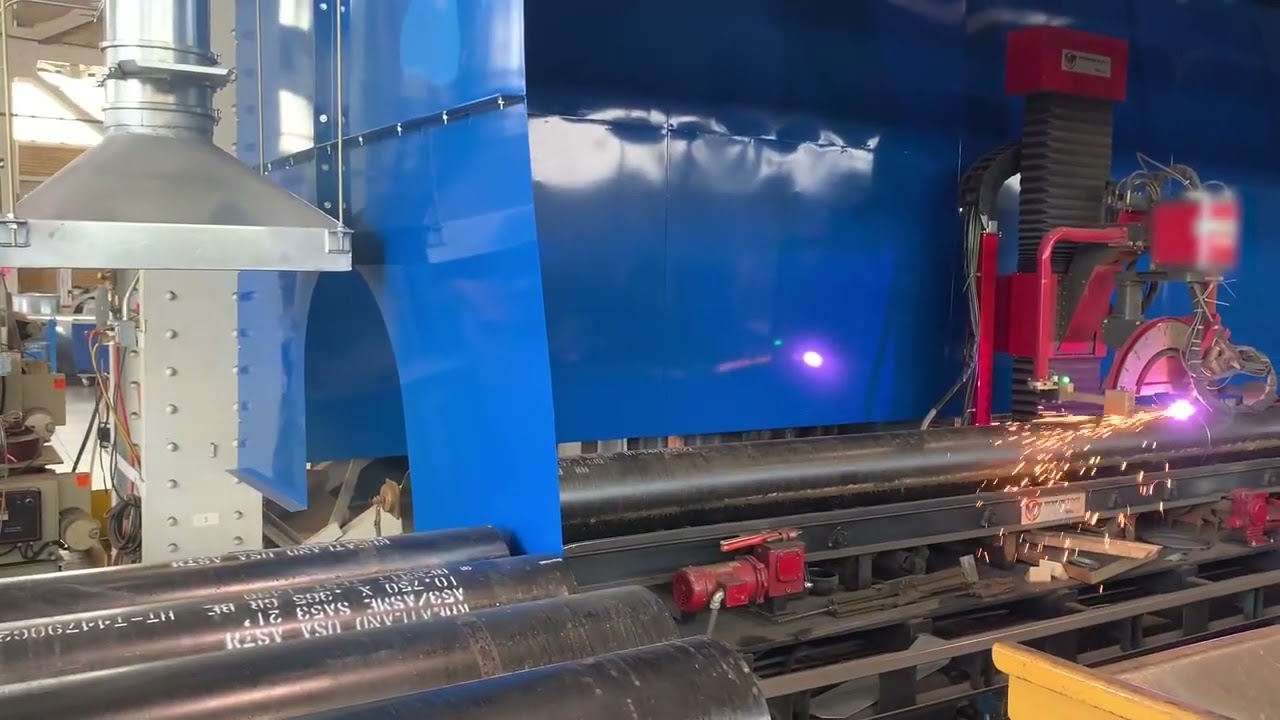
Cannistraro came to us with a system that was too small and not installed correctly, causing safety hazards in their facility. Our team designed and fabricated two hoods for their orbital plasma cutter to capture fumes on either end. Plus, we provided ductwork, AyrDyne electrical control panels, a dust collector, fan, and spark cooler.

Watch the video below to see our custom hoods in action.

Better Performance

The second benefit of custom capture hood fabrication is they are more efficient. They reduce required airflow and lower your operating costs, meaning less energy use, longer filter life, and improved safety of your entire plant. Off-the-shelf hoods are always an option, but they may not be the right hood for what you need.

Most often, we see customers in the food, welding, chemical, and woodworking industries come to us for a custom solution.

Project Highlight: Rx Green Technologies

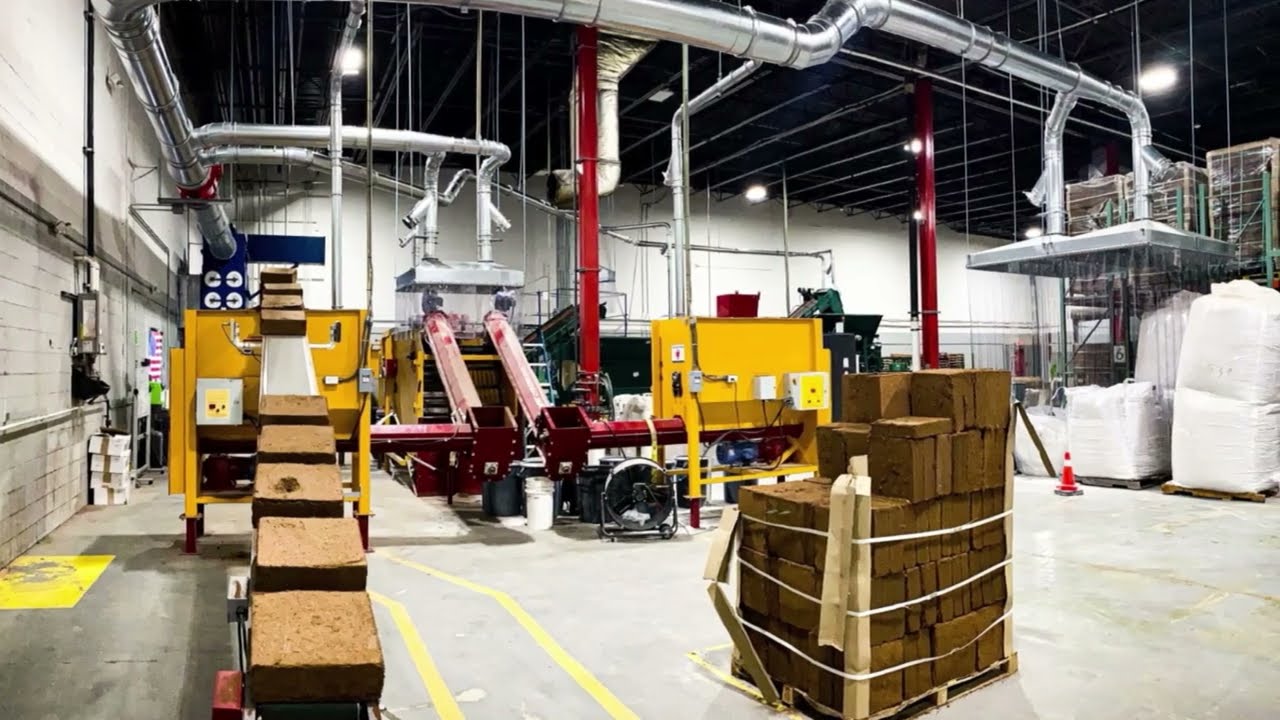
We partnered with Rx Green Technologies to fabricate custom hoods and ducting to collect dust at a bagging station and transfer points. A week after our work began, they asked us to work on the dust collection in a second facility as well. 

Watch the before and after video to see the difference a quality dust collection system makes.

Turnkey Solutions

With DenTech, we’re not just delivering a piece of metal, but a full solution beyond just the hood. We look at your whole system—including your ductwork, collector, and controls—to make sure you have the right pieces to achieve your desired results. 

We offer in-house design and fabrication, meaning we design, build, integrate, install, and test your local exhaust hood systems.  

We have 21,600 square feet of production space. And with welding certifications in SMAW, GTAW, and FCAW, you can trust us to make a hood that’s higher quality and more effective than anything you can buy off the shelf. With every service under one roof, our teams know exactly how each piece fits together in your entire system.

Project Highlight: Recycling Facility

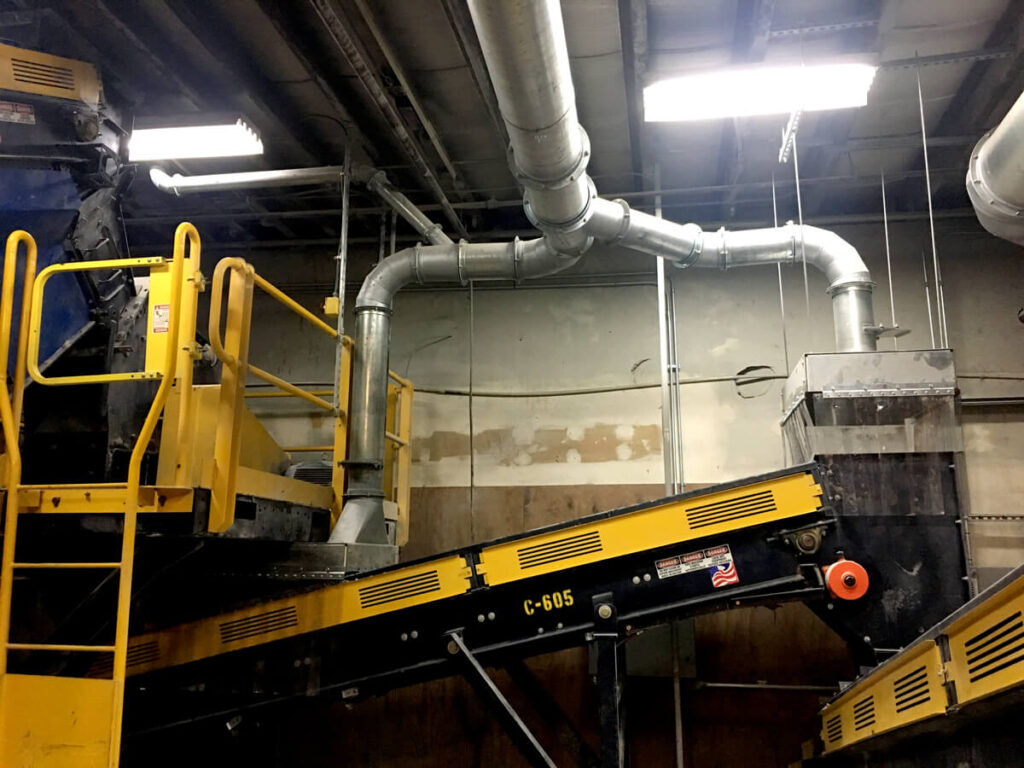
DenTech designed an entire dust collection system for a recycling facility’s glass crushing room. We fabricated the collector’s steel platforms, designed and wired an AyrDyne electrical control panel, and fabricated custom hoods, enclosures, hangers, ductwork, and supports. After installation, two of our technicians stayed onsite for system start-up, balancing, and operator training.

Check out the photos below to see the pieces of our turnkey solution come together.

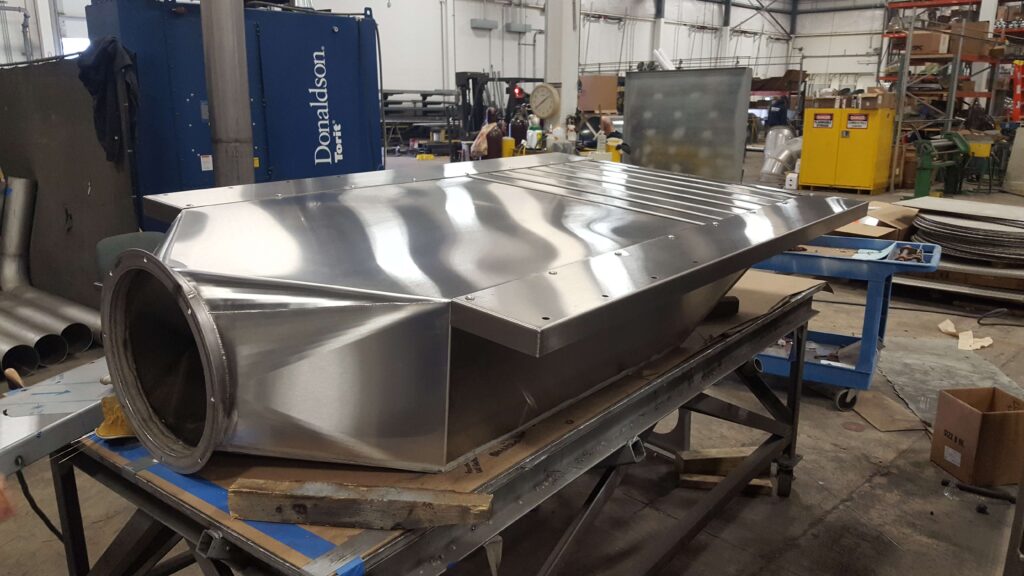
Custom local exhaust hood system in a plant
Custom Hoods
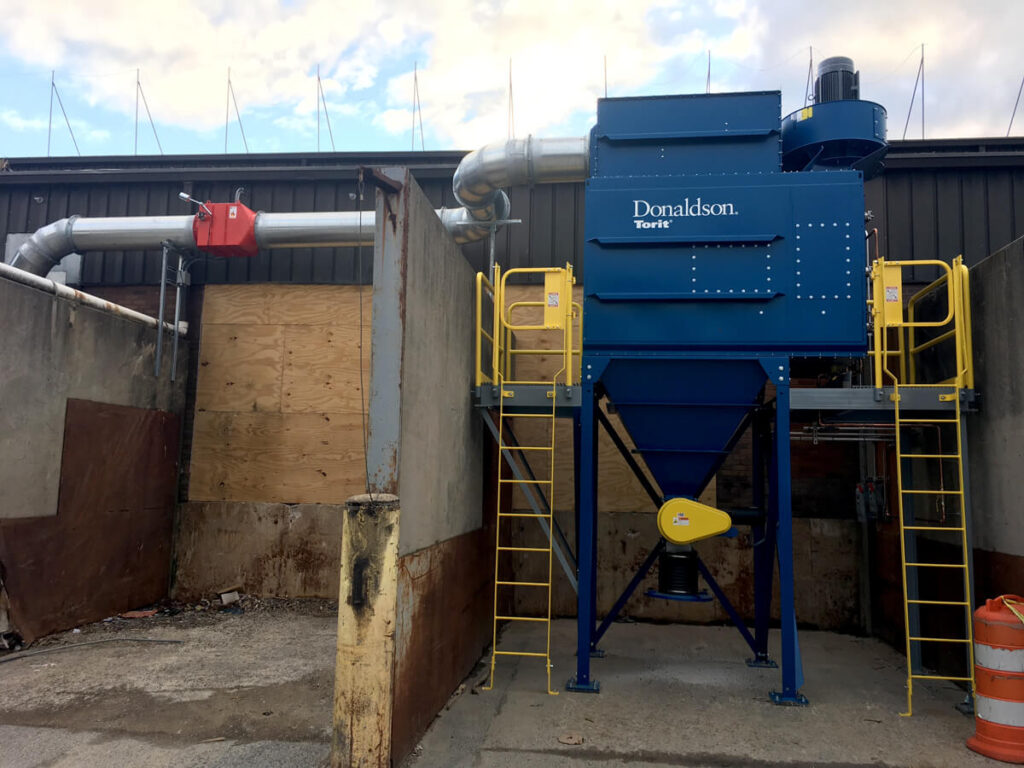
A blue Donaldson dust collector outside a plant
Dust Collector

Need a Custom Hood? Work With DenTech

Zook says, “Most of the time, when people come to us with a dust problem, it’s because they don’t have a correctly designed hood.”

  • Struggling to meet NFPA dust collection standards? 
  • Is an inefficient hood design leading to safety risks? 
  • Unable to find the right hood airflow optimization? 
  • Need help preventing combustible dust explosions? 

Whatever your issue, we can help. After 40 years of custom fabrication, we know the signs of improper hood design. Most importantly, we know how to apply this knowledge to create a custom solution that keeps your employees safe, your workspace clean, and your operating costs as low as possible.

No hood is too big or too small. Contact us for a custom dust collection system today.