Summer months are a great time to check dust collection equipment and perform maintenance. Scheduling maintenance activities during a plant shutdown requires preparation, so here are some considerations.

1. Schedule in advance

Schedules fill up quickly with regular work plus summer maintenance. It’s best to get a quote from DenTech and issue a PO in advance, so we can lock in shutdown dates and work through logistics for the work needed.

2. Order parts and filters

If you’ll need replacement parts and filters, plan as far in advance as possible. Supply chain challenges have caused longer lead times and product shortages. Certain parts and filters may take longer than usual to arrive. As part of the quoted work, DenTech can order the parts and filters needed.

Interested in a similar project?

Let’s talk about your application.

Our team is here to help you plan, select, and implement the right solution.

3. Change out filters

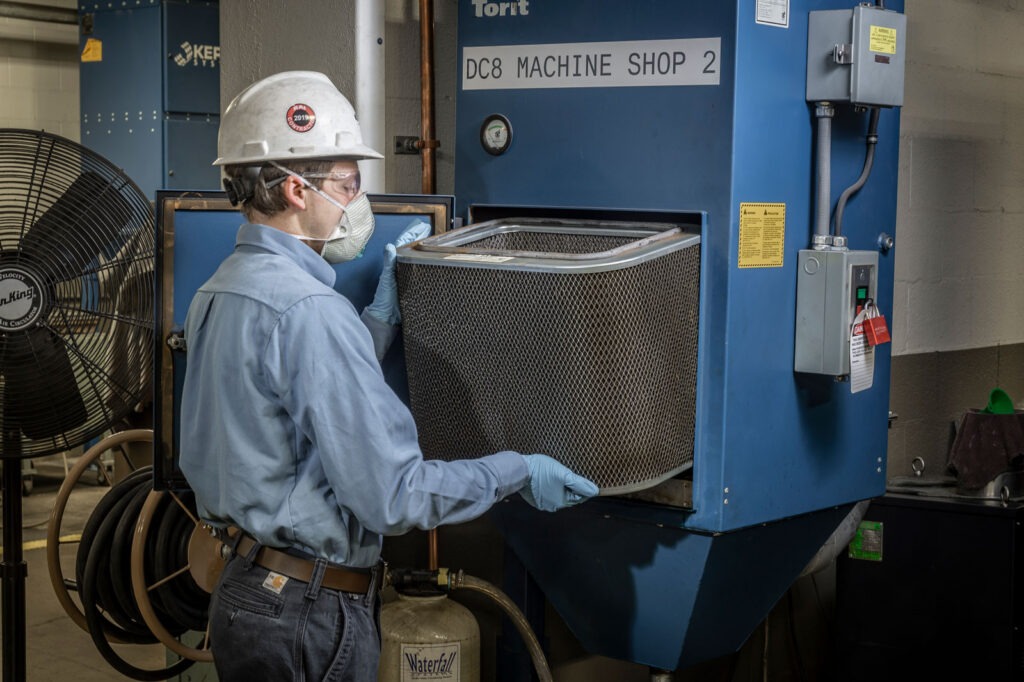
Shutdowns are a good time to replace filters without interfering with production. Filter changeouts can take a few days to complete, depending on the size and number of filters. The best way to determine when to change filters is by monitoring filter life with AyrDyne, but some facilities prefer to change filters during a shutdown, regardless of filter condition. This prevents the possible need to shut down for filter changes later, while under full production.

4. Check equipment that cannot be serviced during normal operation

In some facilities, summer shutdown is the only time during the year when the plant completely shuts down. So, this is a great time to inspect equipment. Check belts, pulleys, bearings, and any other moving components that cannot be inspected while in operation.

Summer shutdowns are a great time to inspect and perform maintenance on dust collection systems. Planning in advance for the work, filters, and parts needed will help the shutdown go smoothly.

Our team is here to help!

Contact us with any questions about dust collection systems. Our experts can help you determine the appropriate equipment for your facility.

Be Proactive.

Supply chain disruptions continue to cause higher costs of raw materials, slower delivery times, and product shortages.  

In a recent McKinsey Global Survey, company executives said supply chain disruptions are now a bigger threat to company growth than the pandemic.  

These disruptions can impact equipment in your facility, including dust collection systems. If you wait to order replacements until you need new components or filters, you risk waiting for parts to come in. And that causes unexpected downtime and loss of production.  

Instead, keep replacement parts and a back-up set of filters onsite. Then when it’s time to make repairs or change filters, you already have what you need.  

Supply chain issues will continue to challenge industrial manufacturers. One way to counter delays is by having replacement parts and filters on hand. You’ll be able to keep your system up and running without worrying about shortages or shipping delays.  

Our team is here to help!

Contact us with any questions about dust collection systems. Our experts can help you determine the appropriate equipment for your facility.

Dust collection systems are built to withstand outdoor environments, but cold weather can affect system components. Especially in regions with high moisture levels, cold weather may affect performance.

Cold weather climate kits can help prevent components from freezing and keep your dust collection system up and running during winter months.

Condensation may build up in compressed air lines of the cleaning system, around the solenoid valves, and around the air diaphragm. After temperatures drop below freezing, these issues may come up:

  • the pulsing system can’t operate properly to pulse filters
  • the solenoid valves may stick
  • the diaphragm can’t function properly and may even fail


Cold weather climate kits can reduce chances of components freezing in cold weather. Kits include heat tape, insulation, and thermostats.

Heat tape is wired into the cleaning system. A thermostat attached to the heat tape activates heating when the temperature drops to a certain degree.

Insulation is wrapped around diaphragm bodies.

In some systems, a small heater (activated by a thermostat) is installed in the solenoid enclosure to maintain a temperature above freezing and prevent valves from sticking.

Cold weather climate kits are installed when needed, depending on the location and environment of the dust collection system. Kits will last a few seasons, and individual parts can be replaced if necessary.

Before a component fails due to winter weather, how might you know there’s an issue?

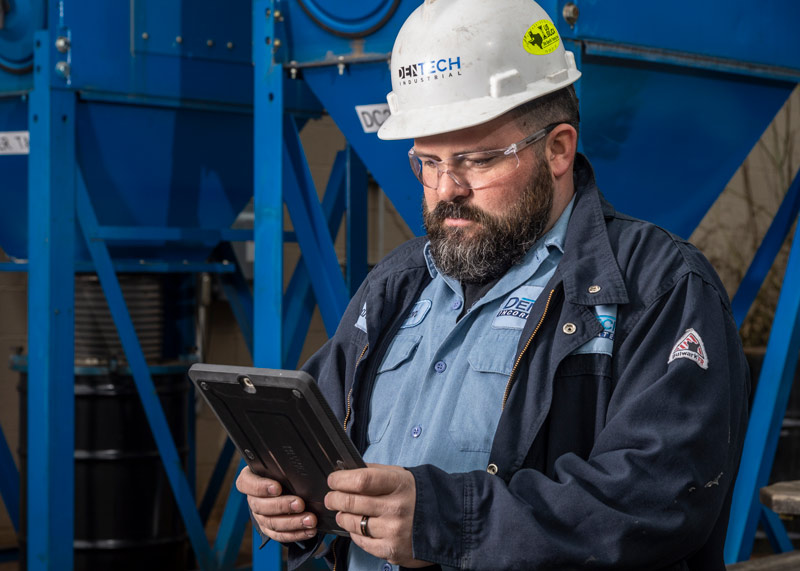
If your system is controlled by AyrDyne, DenTech’s monitoring system HMI, then you can monitor system performance. For example, an operator can use AyrDyne to test and monitor solenoid valves.

Aside from monitoring the dust collection system, DenTech’s service technicians can diagnose and repair issues. DenTech is a factory authorized service center. Our technicians are trained and qualified to service all makes and models of dust collection systems, so we can help if cold weather conditions impact your system.

Our team is here to help!

Contact us with any questions about dust collection systems. Our experts can help you determine the appropriate equipment for your facility.

Dust collection systems are an important part of manufacturing facilities to minimize dust exposure and contribute to a safe environment for employees. But dust collectors are not pieces of equipment that you can install and forget about. They require regular maintenance to operate properly and efficiently.  

Some preventative maintenance may be done by in-house personnel. On a daily basis, they record the pressure drop on filters, look for anything out of the norm in equipment performance, and may check the drum. However, in-house maintenance technicians have the responsibility of keeping all equipment up and running in the facility. They may prioritize process equipment over other types of equipment, including dust collectors. Especially at facilities where teams have been reduced, in-house maintenance personnel may be busy responding to issues as they come up. They might not have time or resources for preventative maintenance on dust collectors. 

This is why having a service agreement with a third party, like the DenTech service team, offers several benefits, including ongoing support, reduced downtime, and peace of mind. 

Ongoing support that matches customer needs

DenTech offers yearly service agreements tailored to customers’ needs. Customers determine the frequency of visits, depending on factors including system usage and processes in the facility. 

For example, service agreements may include visits on a quarterly, bi-annual, or annual basis. Service agreements outline how often filters are changed and how often the system is cleaned. Preventative service agreements also offer discounts on Donaldson Torit® filters and parts. In some cases, these savings may even cover the cost of preventative maintenance visits. 

According to Donaldson, an important safety requirement is to change filters “when airflow reaches a differential pressure (above the specified maximum specifications) or 120 – 150daPa / 4.8 – 6.0 in. wg.” Many factors affect airflow, including type of dust and how many shifts the unit runs. Checking filters on a regular basis and changing them when needed helps the system run efficiently.   

If a customer is not sure of what their system needs, DenTech can visit the customer to determine appropriate preventative maintenance for the system. 

Reduced downtime, thanks to thorough inspections

Service agreements include regularly scheduled inspections, so that dust collectors are shut down, and technicians can inspect them from top to bottom. 

Preventative maintenance is performed by technicians who receive regular compliance training. The DenTech service team is qualified to inspect and repair dust collection systems from any manufacturer brand.

In accordance with NFPA 91, we inspect hoods, ductwork, fittings, and all other parts of the dust collector. Our technicians can identify an issue and replace parts before the equipment fails. DenTech technicians have replacement parts in the service vehicle. If repairs are needed and the facility approves the work, the technician can do the repair during the same visit, rather than schedule for a separate time. 

With regularly scheduled visits, preventative maintenance:

  • extends filter life
  • contributes to lower overall energy consumption
  • minimizes costs of emergency service and expedited shipping
  • reduces the chances of an unexpected shutdown

Peace of mind that dust collection systems are well-maintained

As part of service agreements, technicians create reports that document the inspection, what maintenance was performed, and any recommended repairs. Reports include data on the motor, electrical readings, filters, airflow, doors, gaskets, cleaning system, and dust discharge. This offers a record of the state of equipment at the time of inspection, and the customer can reference it as needed.

DenTech service technicians follow standard procedures, so maintenance is performed consistently on each visit. Customers can rely on DenTech technicians to keep dust collection systems operating properly, especially in facilities with hazardous dust. 

Preventative service agreements offer ongoing support, reduced downtime, and peace of mind. Partnering with DenTech allows customers to ensure their dust collection systems operate efficiently and contribute to a safe working environment for employees.

A final note

Without preventative maintenance, a dust collection system may have operation issues, develop clogs, and have worn-out parts. In those cases, DenTech service technicians can visit customers to determine what isn’t working properly in the system. Then they can make repairs to get the dust collection system up and running again. 

But waiting for equipment to develop issues can lead to unexpected downtime and unplanned expenses. A better approach is to have regular preventative maintenance in place. Then service technicians can catch potential issues before they lead to lost production time.

Our team is here to help!

For more information on preventative maintenance for dust collection systems.